NOTES TOWARDS ISOLATION: On Installing Trans Film Tactics
Abstract
This research-creation project offers a view into video installation as a liberatory tactic away from tired engagements with so-called ‘positive representation. This work outlines my proposed gallery exhibition that isolates cinematic tactics in order to uncover specific ways in which trans embodiment and life experience can be centered when creating images of and for trans life. I envision this installation being a site of both collective creation and future engagement.
Artist Statement
In 2019, amid widespread reckoning with the racist and imperialist histories wrapped up in Confederate war memorials in the United States, trans artist and activist Tourmaline divined a plan to convert Riker’s Island into what she named the Nanny Goat Hill Pleasure Garden. The collage and speculative plan went on to inspire her 2020 show Pleasure Garden, a photo and video installation working through some of the same ideas of futurity, livelihood, and creation. In her original write-up of the project, she imagines Nanny Goat Hill Pleasure Garden as a “blueprint for possibility,” a framing I was struck by as I was researching the breadth of her work. The work in this proposal lies in similar fashion as a blueprint for possibility, one intertwined in the making of trans images and the liberatory possibility of the moving and installed image. Though I see this as a stand-alone project, I hope that the open-endedness of the eventual work and the conversations and activations around them will work in similar speculative fashion to forge new ideas and connections within and between trans artist
In this installation, I will be isolating 3-5 cinematic/ documentary film techniques in order to explore the ways in which those techniques can connect and intermingle with various ways of trans+ life-building and experience. Some examples I’m thinking of are the gaze in documentary, the use of interviews, repetition, duration, and montage. Each video piece will isolate one technique like this, and I will be installing it with the support of Charles Street Video’s MakerSpace program in their gallery in September 2026. In isolating various nonfiction forms to reveal how trans+ life reflects within those forms, this installation will help me present future possibilities within a larger research project on embodied trans poetics in nonfiction film, and how it can possibly guide future practitioners in altering the benchmarks for liberatory trans+ images.
Critical Introduction
The central ideas theoretically underpinning this project have primarily come from Catharine Russell’s Experimental Ethnography: The Work of Film in the Age of Video (1999). Russell astutely connects the histories of both ethnographic film and experimental film, noting specific ways in which both modes of creation inform one another, and what can be gained from viewing visual ethnographies through theories of the avant-garde. Throughout the book Russell uses the particular reading of ethnography through experimental film as a formalistic exercise that promises to offer alternative routes through ethnography to “deconstruct the apparatus of power” (Russell, 1999, 125). Focusing on surrealism, the centrality of the body, self-making, and the possibilities of ecstasy, destruction, and so-called primitive cinema, she effectively shifts the reader’s view of the apparatus of power that often upholds the colonial project through othering and visual subjugation. As I prepare and plan what I will be recording and who I will be collaborating with, my mainstay is this shining insight from Eliza Steinbock from their incredible book Shimmering Images: “Cinema as a discrete aesthetic form presents a golden opportunity for staging disjunction.” Such disjunction reflects a trans+ sensibility in the ways these images are created and presented, and throughout this project I am working to find that space in the nodes of connection between nonfiction film practices and material trans+ theory.
In the pages to follow I will focus on repetition as one of many possibilities for cinematic tactics to consider. If documentary is a practice of intimacy (after Katie Kirkland’s luxuriating probe of Emily Jacir’s 2019 film Letter to a Friend), then repetition may act as this intimacy revealed. Re-visiting a movement or individual reflects an attention akin to hierarchies of scale in art history, yet in the linear medium of video time replaces scale in importance. Kirkland asserts that documentary is a practice of affinity, rather than a concrete genre or mode of filmmaking. This focus on affinity helps me attune my feelings towards what draws me rather than what may make logistic sense. To that end, I’ve had the idea of these images lodged in my mind for years –which my time-stamped card on my dissertation Trello board can confirm was added one month after starting my degree in 2022. This coincides with a reading of a Gilles Deleuze interview titled “The Brain is the Screen” in the fifth week of an installation course. Ever interested in parsing the specific experiences of the cinema (“The image itself is an ensemble of time relations from the present which merely flows, either as a common multiple, or as the smallest divisor,” emphasis mine), a quip of taste lodged itself in my mind: “The cinema doesn’t reproduce bodies, it produces them with grains that are the grains of time.” (Flaxman, 2000, 371; ibid, 372). Grains of time, bodies in a flowing present, smaller and smaller divisions of images until we arrive at the smallest unit of measure. And then, too, what lies beyond that? Repetition is one way in which things can be revealed in cinema, and considering this technique within installation brings out a wider variety of possibilities.
Visual Notes: Test Shoot
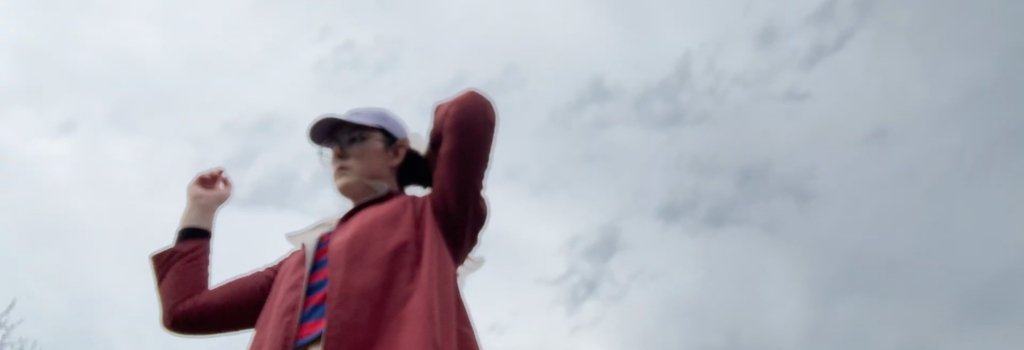
In considering the techniques to isolate in this exhibition, I am thinking about the affordances installation as a medium can offer. With this test shoot I am exploring repetition through multi-screen aesthetics, movement, and performance.
I am inspired by works like Born in Flames and in their use of repetition and performativity. Lizzy Borden’s magnificent film uses seemingly nonfiction, observational sequences in-between the scripted scenes in order to draw a wider picture of the dystopian future a decade after a socialist revolution in the United States. The repetition of scenes of feminized labor helps me work through these ideas, in the film these cutaway scenes are used to both ground the fictional narrative within a historical moment and to highlight the discrepancies between what is said in this perceived utopian socialist society and how that reality is experienced, particularly by women of color.
In presenting repetition as a sequential order, I want to highlight the constructedness of the movements and offer a visual reflection of the feeling of “going against the grain.” The fourth channel opting out of the prescribed movement shifts the relationship between all five screens, and— following Jack Halberstam’s thinking on how queer people experience time, relationships, and milestones in their lives in cycles away from heteronormative standards— works to reflect the oppositional ways in which time is experienced and moves for trans subjects (Halberstam, 2005).
Now my thoughts move to formalistic shifts; what happens when the channels move in sync; what if they are all layered over one another?
This test shoot has helped me think through considerations of how to both stay within a cinematic (or documentary) medium while also considering how multi-screen aesthetics can help me explore these ideas thoughtfully. In this test shoot, I’m thinking through the various motions or gestures that, when repeated, creates a synthesis of meaning within the frame, but also against the other films in the installation. Thinking about motion in this way acts as the physical manifestation of what Steinbock explores as the shimmer: this shifting between positions unlocks a liminality that “makes all the correlations temporary and tenuous” (Steinbock, 2019, 69).
Laying all this out helps me identify the effectiveness of the work, and also what can be re-worked. In thinking of the next iteration I will be working with trans participants and actors to film specific gestures and movements in these ways, keeping central the idea that the repetition of motion moves static trans subjects into a different position within the frame.
Works Cited
- Borden, Lizzie. Born in Flames, 1983.
- Flaxman, Gregory. Brain Is the Screen: Deleuze and the Philosophy of Cinema. University of Minnesota Press, 2000.
- Halberstam, Jack. In a Queer Time and Place: Transgender Bodies, Subcultural Lives. New York: NYU Press, 2005.
- Kirkland, Katie. “Documentary Intimacies: Emily Jacir’s ‘Letter to a Friend’ (2019).” In, Feminist Media Histories, Vol. 12, Number 1. University of California Press, 2026. 76–100.
- Lescaze, Zoë. “WHOSE HISTORY? WHOSE MEMORY? WHOSE LAND? WHO MATTERS?”. The New York Times Style Magazine. August 30, 2020. 96–101.
- Russell, Catherine. Experimental Ethnography: The Work of Film in the Age of Video. Durham, N.C: Duke University Press, 1999.
- Steinbock, Eliza. Shimmering Images: Trans Cinema, Embodiment, and the Aesthetics of Change. Durham: Duke University Press, 2019.
“my body too is a place” – poem by jade macdonald
A poem in response to “my body is a place, just like any other.” In the spirit of collaboration I wish to share Jade’s keen words with you:
my body too is a place, just like any other — flung across and through — unbound and evasive — I am thrown by but also with — I wish I could offer more to travel through — I give only these dashes — to move here — and there — as leaves, sand, metal pipes — those grains of the voice you translate with such care — and which I have flown past, unhearing until now — and now with so many planes to pass through and across — I am back at the beginning — shaking as your camera, buzzing as your window, cloudy effervescent and blue in hues I wish I could have dissolved into always — wishing to be a name strung in your sky’s opaque like the toffee fluff of June, a whole city looking up to its pastel pleasure —
and coasting this ocean we share — others join in flight — like Emily — who also wrote with dashes — who also catapults across skies — who also cracks through clouds — like that obscured other who rhymes in ear and heart (she is here too) — and in this azure, I too hear the fly — I too could not see to see — and stumbling into then — I find myself — here — there — and everywhere — because bird girls can fly — and you translate heaven in a way I want to be — and how else is there to translate the names of the voice in the sky but as care — so I thank you for this — for to lead a better life — I need my love to be here — in transit —
A few other collaborators:
- Roland Barthes, “The Grain of the Voice”
- A nursemaid, Rezia, Septimus, + Regent’s Park in Virginia Woolf, Mrs. Dalloway (“So, thought Septimus, looking up, they are signaling to me. Not indeed in actual words; that is, he could not read the language yet; but it was plain enough, this beauty, this exquisite beauty, and tears filled his eyes as he looked at the smoke words languishing and melting in the sky […] / It was toffee; they were advertising toffee, a nursemaid told Rezia. Together they began to spell t … o … f … / ‘K … R …’ said the nursemaid, and Septimus heard her say ‘Kay Arr’ close to his ear, deeply, softly, like a mellow organ, but with a roughness in her voice like a grasshopper’s, which rasped his spine deliciously and sent running up into his brain waves of sound which, concussing, broke.”)
- Emily Dickinson, “I heard a Fly buzz — when I died —”
- Joni Mitchell, “Amelia”
- ANOHNI and the Johnsons, “Bird Guhl”
- The Beatles, “Here, There and Everywhere”
- Anyone else who has dared to take flight
Some of My Best Friends Are Monsters – online host
Three Scenes in Death – online host
Audio Installation Online Host
Play all files simultaneously for best experience. The source photos accompany the audio so feel free to browse while you listen.
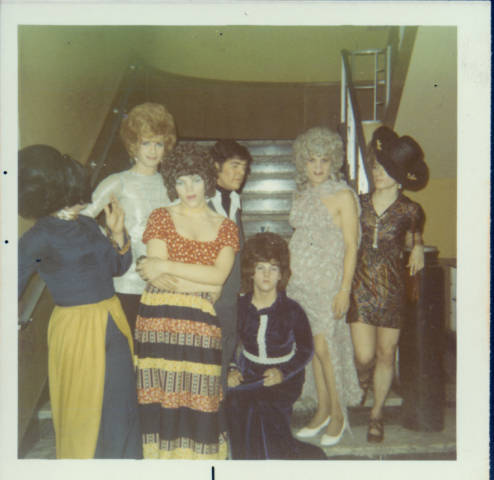
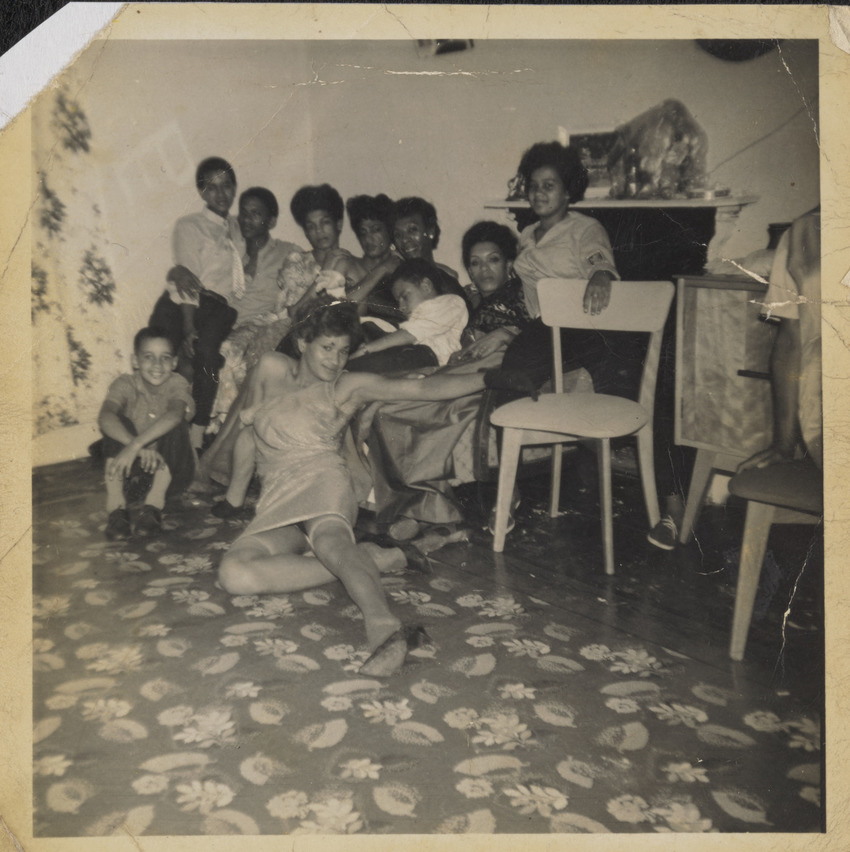
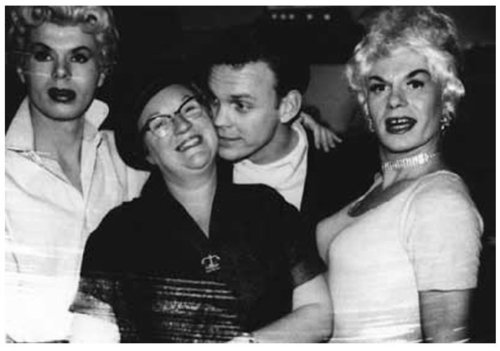
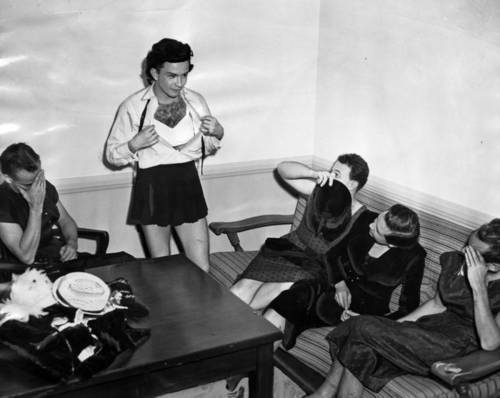
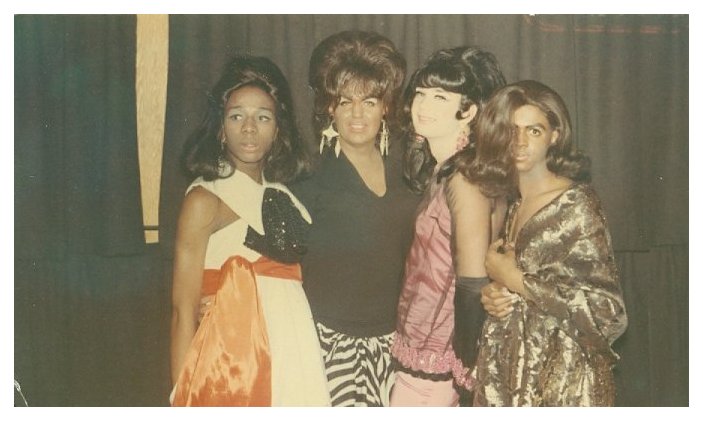
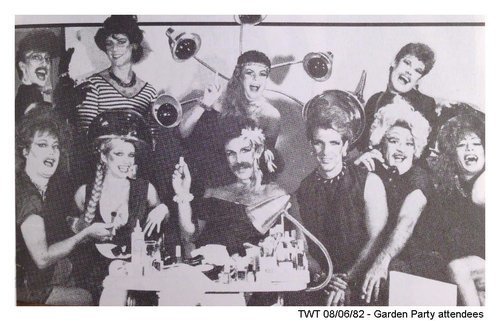
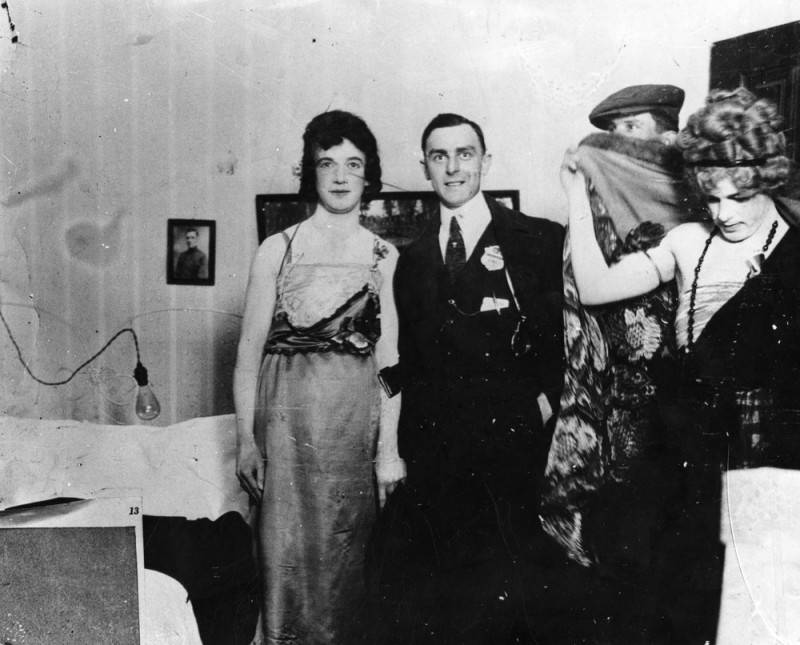
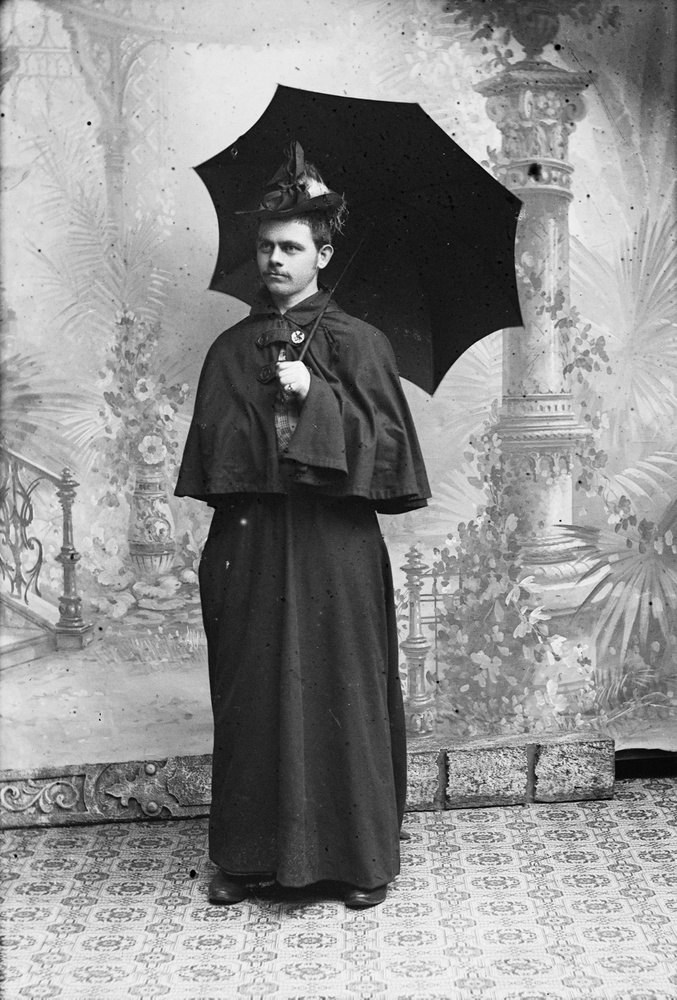
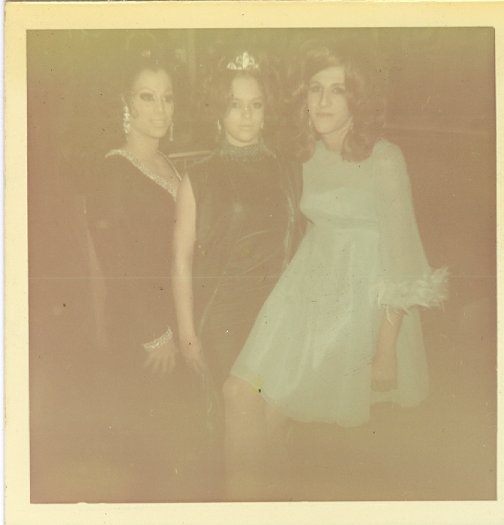
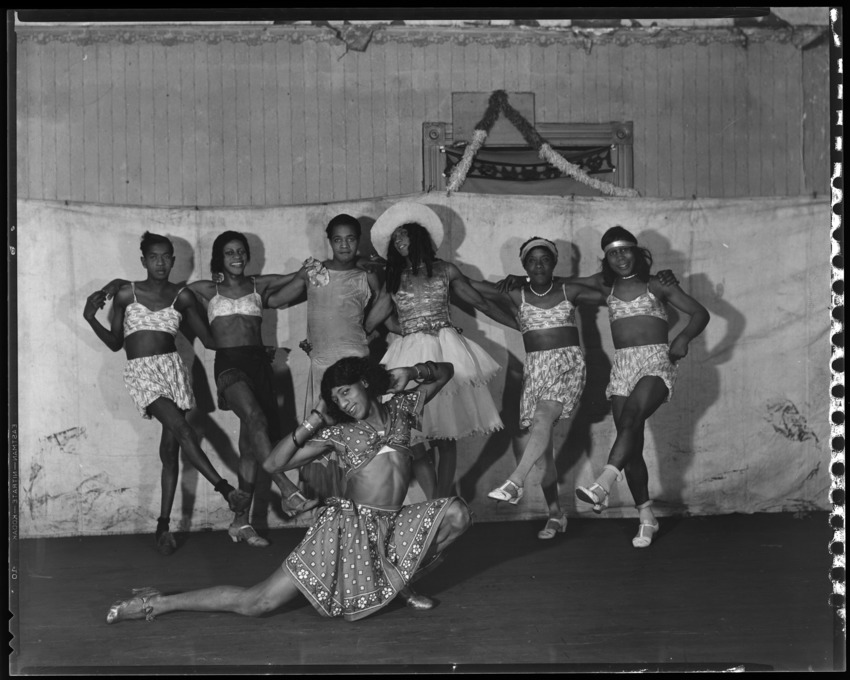
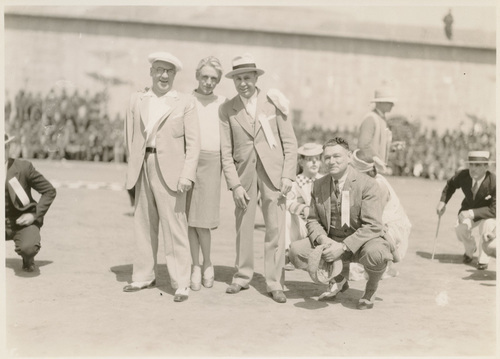
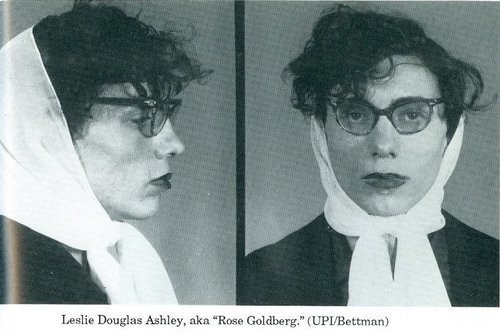
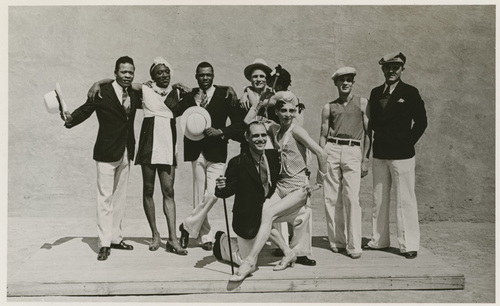
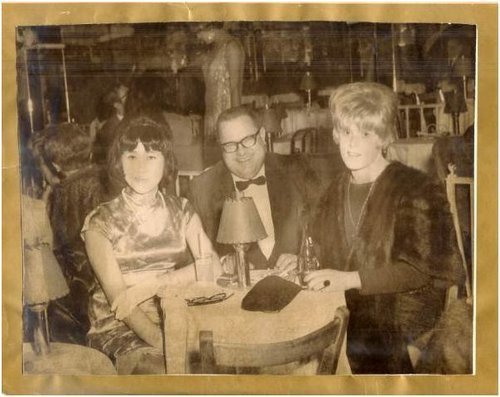
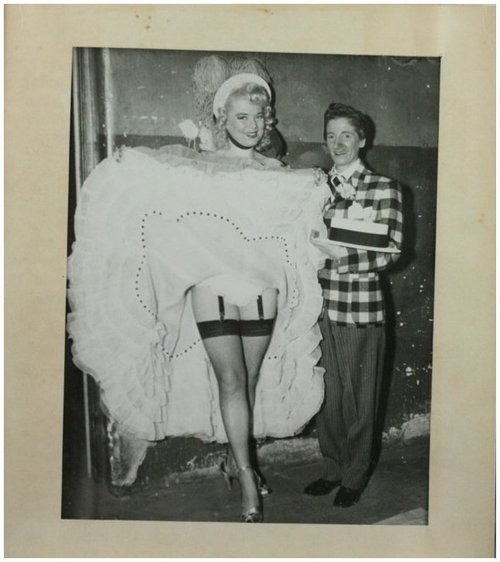
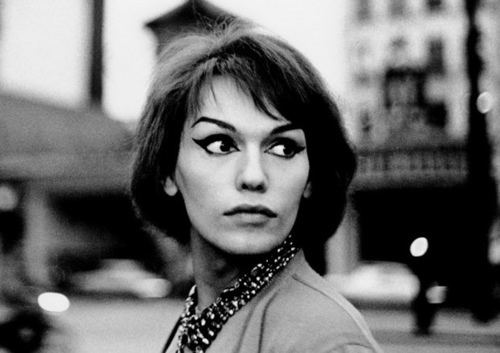
This audio piece was first installed in march 2020 at Ryerson University in Toronto, Ontario. The source material is taken from a lecture by Howard Fradkin at USC in the spring of 1977. This project is an attempt at both utilizing archival materials as well as subverting the institutionalized nature of the material in order to draw attention to the unique experiences of those whose lives are not recorded in such sites.
Original Source: https://www.digitaltransgenderarchive.net/files/5x21tf448